
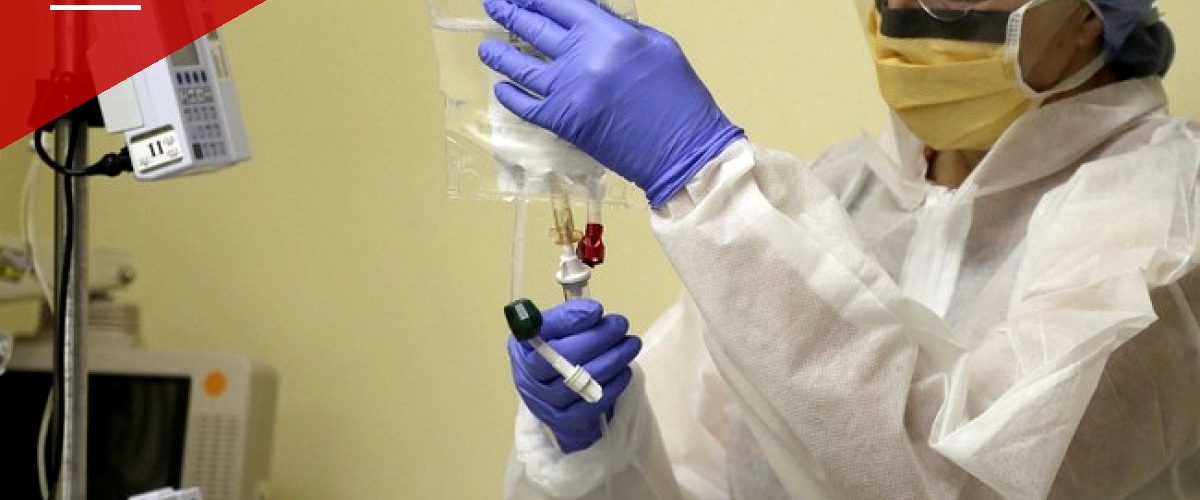
A former nurse at Ascension Saint Thomas Midtown in Nashville says she repeatedly reported medication safety problems and warned that “something bad” would happen — two months before four joint-replacement patients were mistakenly injected with the wrong drug.
Brenda Cleghorn worked at the Davidson County hospital for nearly a decade before leaving in June. In August, four patients undergoing joint-replacement procedures at the hospital received potassium phosphate instead of the local anesthetic mepivacaine. State investigators found that as of their Aug. 21 exit, all four patients had been transferred to higher levels of care — one remained on ECMO life support, and three continued to suffer serious lower-body neurological impairment, including paralysis and loss of sensation.
“Something bad is going to happen,” Cleghorn told NewsChannel 5 Investigates she warned before leaving the hospital. “I didn’t think it was going to be catastrophic.”
How the mix-up happened
State investigators documented a chain of breakdowns before the wrong medication reached the four patients. Surveillance video showed a pharmacy technician retrieve potassium phosphate while preparing what was supposed to be mepivacaine. The two drugs came in similarly shaped vials. When the potassium phosphate failed to scan properly, the system allowed a staff member to override the alert.
A second technician then drew the drug into syringes and labeled them as mepivacaine without checking the vials, telling investigators it had been “normal practice” not to verify them. The pharmacist’s final check — the last safeguard before the drug reached patients — took approximately 29 seconds, according to state findings, and did not catch the error.
A former nurse’s account
Cleghorn says the pattern is familiar. She described scanning medication for a patient during her time at the hospital only to find the drug did not match what was labeled. “It wasn’t even the right medication,” she told NewsChannel 5.
“I worked three nights a week, and I could almost guarantee you that at least one of those nights, if I requested medication, I would get it, and the label on the bag was not the medication that was in the bag.”
Cleghorn said she filed the required incident reports each time but rarely heard anything back, and that the problems continued. She also described broader staffing and training issues, saying some nurses did not know how to hang IV fluids or administer antibiotics, that nurses were sometimes left

Add comment