
The Department of War is investing $450 million in The Elmet Group, a U.S.-owned tungsten and molybdenum producer, as part of an effort to build a domestic supply chain for a metal the country currently depends on China to obtain.
The deal was announced Monday by the department’s Office of the Assistant Secretary of War for Industrial Base Policy and carried out by its Economic Defense Unit, a group created in April 2026 that draws on private-sector financial expertise to counter the economic leverage of foreign adversaries.
“This investment reflects the Department’s commitment to rebuilding critical industrial capacity in the United States,” said Mike Cadenazzi, Assistant Secretary of War for Industrial Base Policy. “Expanding domestic tungsten processing will strengthen supply chain resilience, support high-quality manufacturing jobs, and reinforce the production base behind essential defense systems.”
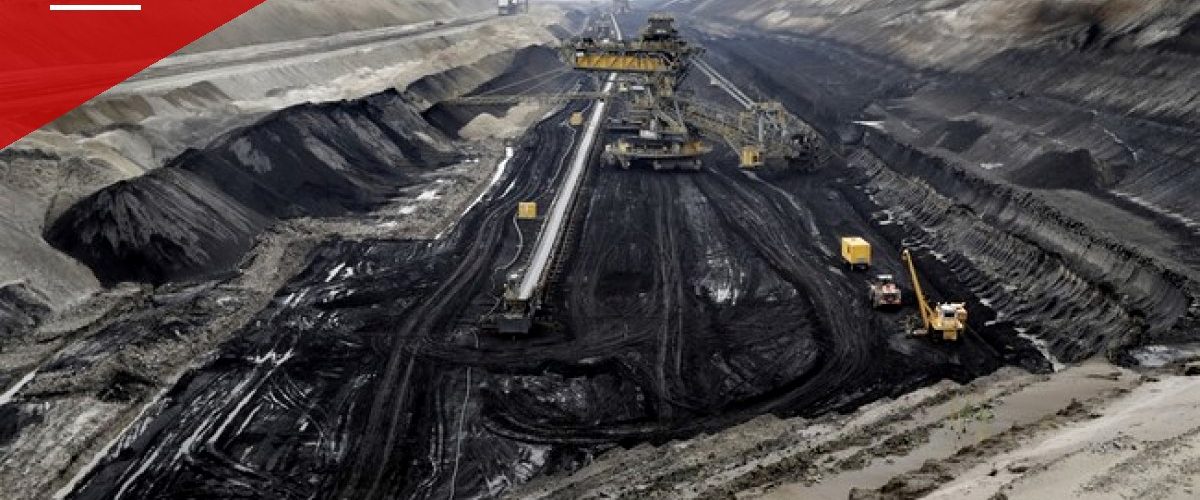
Tungsten is used in missiles, munitions, aerospace and propulsion systems, naval and undersea equipment, electronics, and broader industrial manufacturing. The Elmet Group’s expansion will span mining, processing, and raw material supply, with mining operations set for Maine, Michigan, and Ohio.
Of the total, $150 million is earmarked to reopen the Springer Tungsten Complex in Nevada, an abandoned operation estimated to hold two million tons of tungsten ore. Elmet has also secured a Defense Logistics Agency contract worth up to $2 billion to help rebuild the National Defense Stockpile, giving the company a locked-in revenue stream that officials say helps insulate it from price manipulation by foreign competitors.
A pattern of federal equity stakes
The tungsten deal follows a series of similar moves since China announced export controls on rare earths refined within its borders in October 2025 — a policy that gave Beijing effective leverage over any country buying those minerals, including the ability to block resale of the raw materials or of products containing them.
In response, the administration has built a strategic materials reserve and taken direct equity positions in companies across critical minerals, semiconductors, quantum computing, and energy. By one industry estimate, Washington has announced roughly $27.6 billion across 37 such deals since January 2025, with semiconductors and critical minerals together accounting for more than 80 percent of that value. The Cato Institute has put the number of deals at 33.
None of the arrangements give the federal government majority ownership. Instead, they typically involve equity, warrants, convertible securities, or golden shares — instruments that can hand Washington significant, sometimes veto-level, influence over corporate decisions without formal control.
The Cato Institute has criticized the broader pattern of government equity investment as a departure from free-market principles, a critique that echoes longstanding libertarian objections to industrial policy. Supporters of the approach counter that relying on open markets has left the United States dependent on China and Russia for materials tied to its own weapons production, and argue that targeted federal backing is a necessary correction after decades of inattention to the issue.



Add comment